Sunrise Hike vs Midnight Blue Fire Trek: What You Actually See on Ijen
Confirm the actual pickup time and permitted route in the selected booking. A tour labelled “sunrise” can also depart around midnight; the name alone does not promise a later start or extra sleep. The rim hike, sunrise and lake are planned highlights, subject to gas conditions, weather, visibility and official access restrictions. Blue fire is not guaranteed.
Rule number one: the blue fire is a possibility, not a promise
Blue fire comes from burning sulfur-rich gases, not blue lava. Darkness is needed to see the flames clearly, but darkness alone is not enough: emissions, weather, works and access restrictions matter. Check MAGMA/PVMBG and the park authority; booking availability does not override a closure.
The midnight trek, hour by hour
From Paltuding, plan for approximately 3 km uphill to the crater rim and the return walk. Around 1.5–2 hours uphill is a planning estimate; pace, surface conditions, weather and permitted access change the effort and timing. A night itinerary involves the climb from Paltuding and, only when expressly permitted, an additional steep descent and return climb inside the crater. Confirm the pickup and allowed route with the provider. Neither reaching the rim before dawn nor seeing blue fire is guaranteed. Give way to miners and ask permission before photographing them.
The comparison that matters
Swipe to scroll the columns on mobile.
| Midnight blue fire trek | Sunrise hike | |
|---|---|---|
| Departure from Banyuwangi | Confirm the actual pickup and current park opening; the tour name is not a fixed timetable. | Confirm pickup and route with the provider |
| Planned sights, subject to access and visibility | Crater rim, dawn, the turquoise lake after first light | Crater rim, dawn, the turquoise lake after first light |
| Possible extra | Blue flames — only when active and only in the dark, best window roughly 02:00-04:30 | None — the flames are never visible in daylight |
| Crater descent | Additional steep, rocky descent and return climb, only if permitted; confirm the route and allow time for both directions. | No descent — you stay on the rim |
| Effort and risk | Higher: extra descent and climb, time in the gas zone, colder hours | Same uphill trail; omits the crater descent, but gas and weather hazards remain |
| Best for | Fit hikers who have verified the fire is active and accept it may not show | Travellers interested in the crater landscape who prefer to omit the additional descent |
Live availability & prices
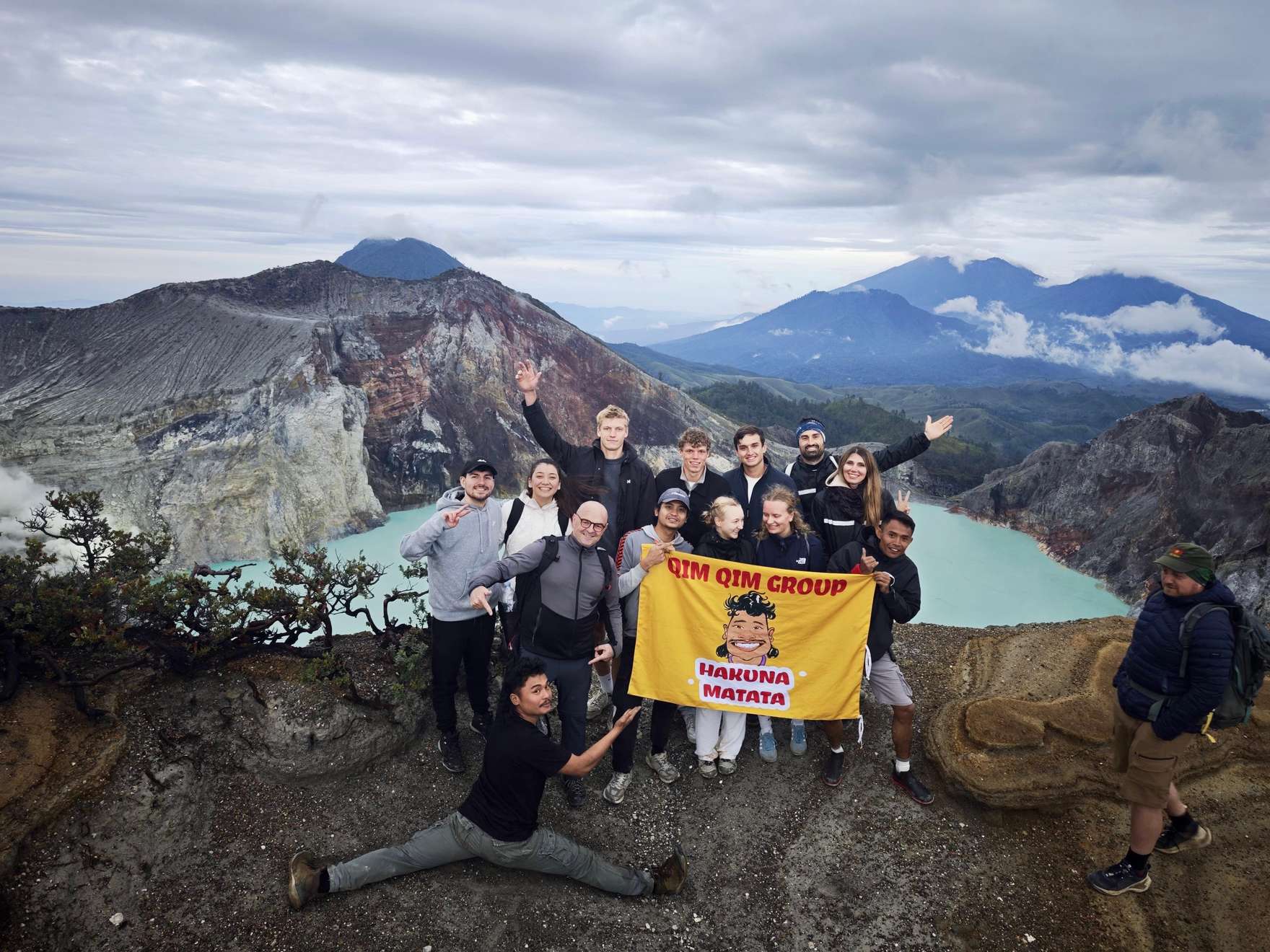
Photo from this activity’s gallery on GetYourGuide
Live availability & prices
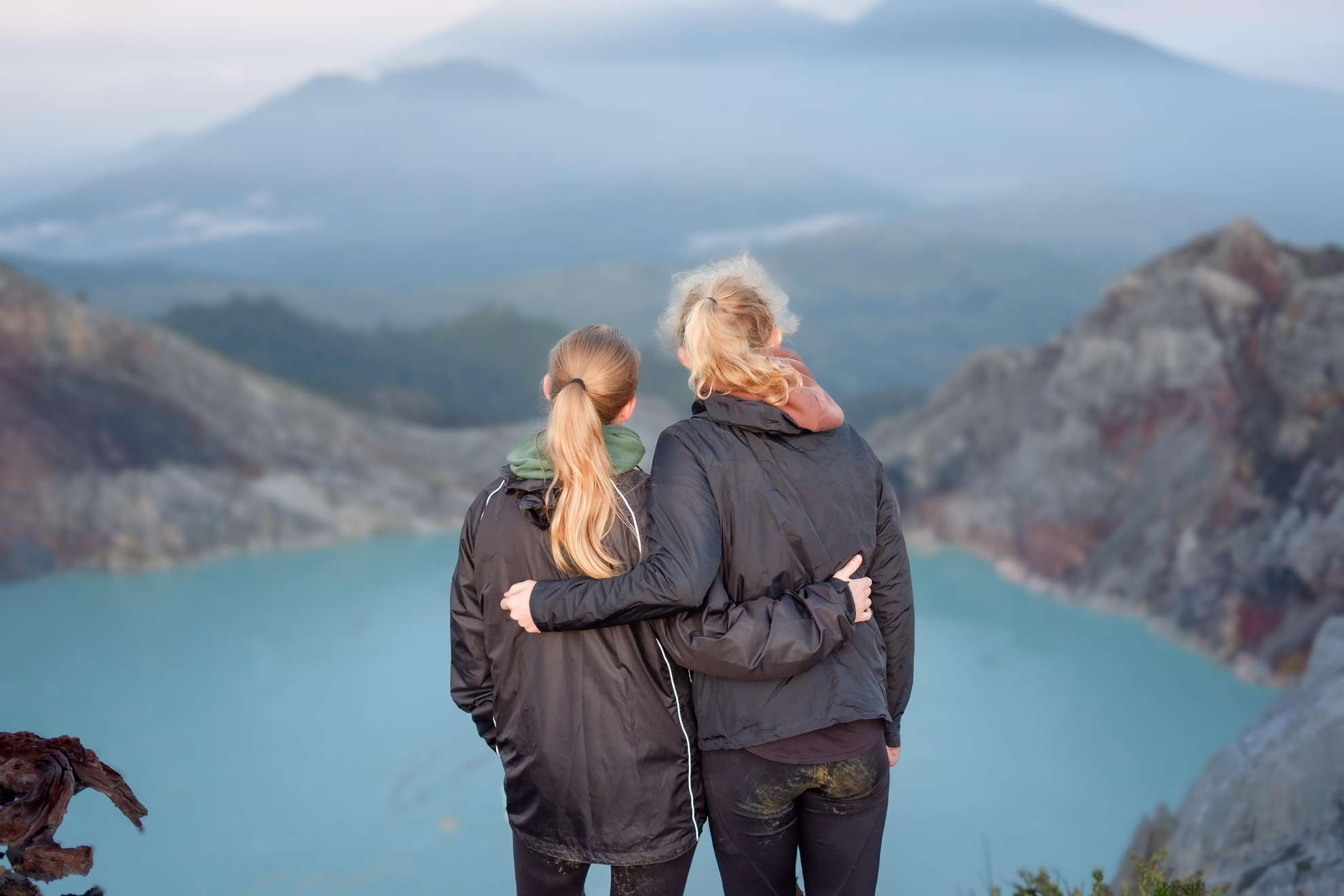
Photo from this activity’s gallery on GetYourGuide
Bookings are completed securely on our partner GetYourGuide.
The sunrise hike, hour by hour
Confirm the actual pickup time and permitted route in the selected booking. A tour labelled “sunrise” can also depart around midnight; the name alone does not promise a later start or extra sleep.
A rim-only itinerary omits the additional steep crater descent and return climb. It still involves the uphill trail, cold, darkness and possible volcanic gas exposure. Follow official restrictions; a closed descent does not establish that the rim is open or safe.
What you actually see in each — and who should pick which
A sunrise tour name does not determine whether a night descent is included. Read the actual itinerary and confirm current permissions. The blue flames require darkness and suitable conditions; no departure time guarantees a sighting.
The rim hike, sunrise and lake are planned highlights, subject to gas conditions, weather, visibility and official access restrictions. Blue fire is not guaranteed.
The honest downsides
The blue fire is not guaranteed on any tour, at any time of year: it has been suspended for long periods, and the crater descent is closed whenever gas readings, volcanic activity or mine works demand it. Verify on PVMBG/MAGMA Indonesia and BBKSDA East Java before choosing the midnight trek.
Additional steep, rocky descent and return climb, only if permitted; confirm the route and allow time for both directions.
Volcanic gas can affect both the rim and crater interior. Stinging eyes or throat, coughing or breathing difficulty are exposure symptoms: stop, move away as directed by park staff and seek medical help if symptoms are severe or persist. A mask does not make a dangerous atmosphere safe.
Prepare for cold, wind and damp before dawn. Check the BMKG forecast and bring warm layers; a fixed temperature range cannot describe the conditions of every departure.
Sunrise is the crowded moment: both versions converge on the rim at dawn, and in high season the classic viewpoints fill up.
Confirm the actual pickup time and permitted route in the selected booking. A tour labelled “sunrise” can also depart around midnight; the name alone does not promise a later start or extra sleep.
Ready to check dates and prices?
Live availability and real prices, right here.
Check availability
Live availability & prices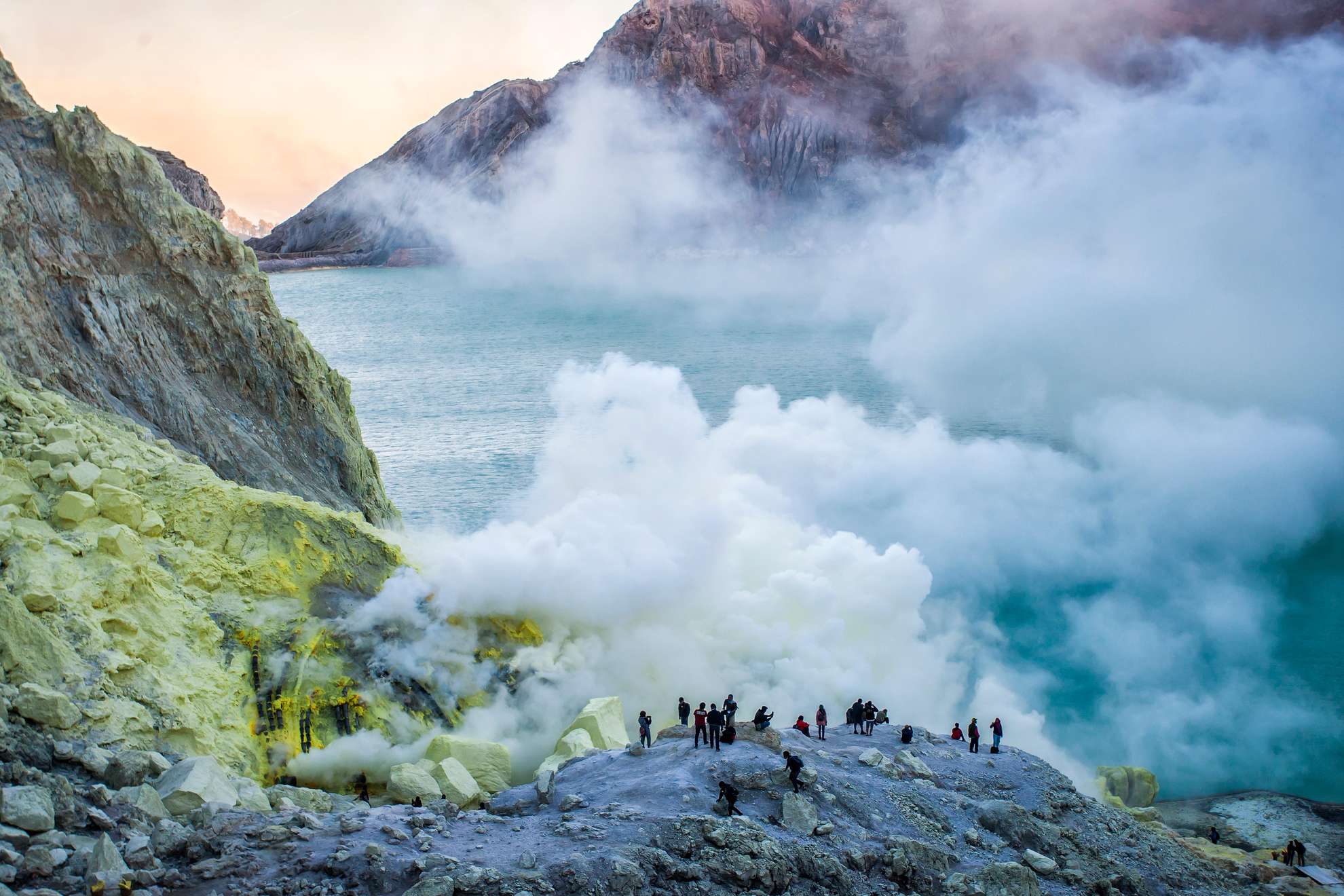
Photo from this activity’s gallery on GetYourGuide
Frequently asked questions
What time can you see the blue fire on Ijen?
Blue fire comes from burning sulfur-rich gases, not blue lava. Darkness is needed to see the flames clearly, but darkness alone is not enough: emissions, weather, works and access restrictions matter. Check MAGMA/PVMBG and the park authority; booking availability does not override a closure.
Is the descent into the crater always allowed?
If crater descent is closed, ask the provider which permitted itinerary remains available and what the booking conditions allow. The whole park can also close. Availability in a booking widget does not override an official closure.
Can I see the blue fire on a sunrise hike?
A sunrise tour name does not determine whether a night descent is included. Read the actual itinerary and confirm current permissions. The blue flames require darkness and suitable conditions; no departure time guarantees a sighting.
How hard is the midnight trek compared to the sunrise hike?
The ascent is demanding and individual ability varies. Omitting the crater descent reduces the route, but does not remove gas or weather hazards. Check the route and medical requirements before booking. Confirm the actual pickup time and permitted route in the selected booking. A tour labelled “sunrise” can also depart around midnight; the name alone does not promise a later start or extra sleep.
What happens if the blue fire is closed when I visit?
If crater descent is closed, ask the provider which permitted itinerary remains available and what the booking conditions allow. The whole park can also close. Availability in a booking widget does not override an official closure. The rim hike, sunrise and lake are planned highlights, subject to gas conditions, weather, visibility and official access restrictions. Blue fire is not guaranteed.
Compare other Ijen tours
← Back to all toursFrom Bali: Ijen tour with dinner and accommodation — GetYourGuide photo of this linked activity only; it does not depict all alternatives or accommodation discussed.
Ijen Tour from Bali vs Staying in Banyuwangi: Which Base Actually Makes Sense?
See the comparison →
Ijen sunrise tour with pickup and guide — GetYourGuide photo of this linked activity only; it does not depict all alternatives or accommodation discussed.
The Best Ijen Tour: Three Verified Options, Honestly Compared
See the comparison →
Bromo and Ijen: 3 days from Bali or Yogyakarta — GetYourGuide photo of this linked activity only; it does not depict all alternatives or accommodation discussed.
Bromo + Ijen Combo vs Ijen Only: Is the Second Volcano Worth It?
See the comparison →