Ijen travel blog
Practical, honest answers to the questions people actually ask before an Ijen trek.

Bali to Ijen, Bromo and Tumpak Sewu: East Java Road Trip
Combine Ijen, Bromo and Tumpak Sewu by travelling west from Bali and finishing in Malang or Surabaya. This itinerary separates sightseeing from long transfers and explains where extra rest and access buffers matter.

Blue Fire Around the World: Why Choose Kawah Ijen?
Kawah Ijen is well known for naturally burning sulfur, but there is no established global ranking proving it is the most reliable place to see it. Plan for the crater rim, sunrise and turquoise acid lake; treat blue fire as a conditional bonus.
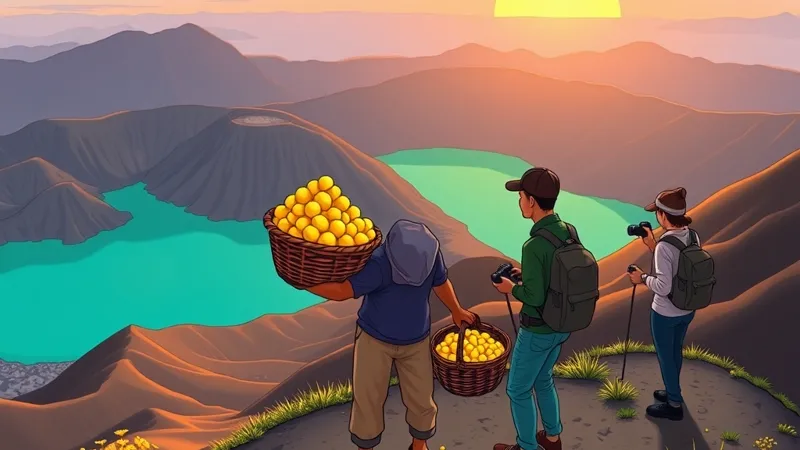
Kawah Ijen Sulfur Miners: Their Work and Respectful Visits
Kawah Ijen’s sulfur miners collect solidified sulfur and transport it from the crater for sale. Learn how their work differs from the visitor hike, how to photograph respectfully and why worker access never establishes tourist permission.
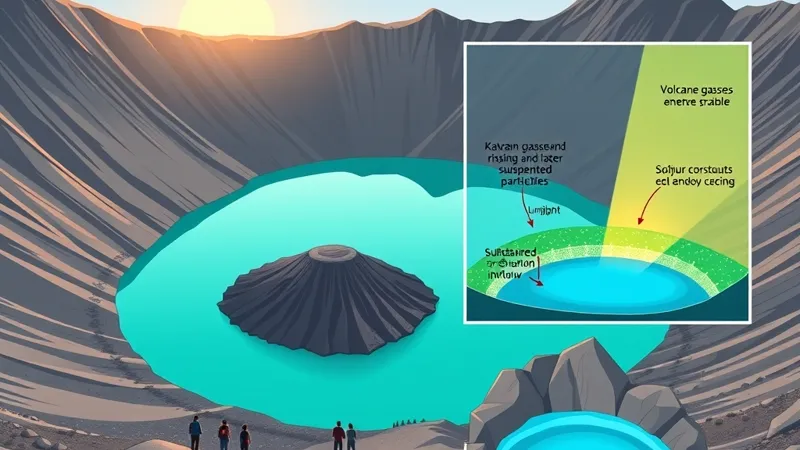
Why Is Ijen Crater Lake Turquoise? Its Chemistry Explained
Ijen’s turquoise lake reflects an interaction between sunlight, water and volcanic materials—not acidity alone. Understand its unusual chemistry, its separation from blue fire and how to plan a responsible rim hike.
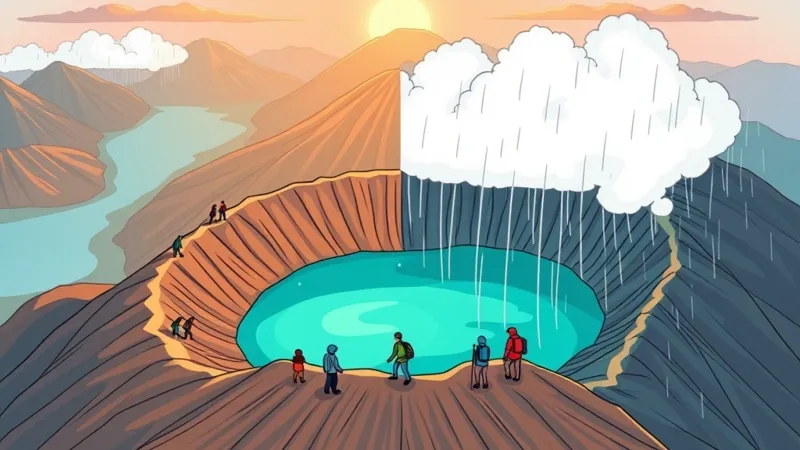
Kawah Ijen Weather by Month: Cold, Rain and Sunrise
Kawah Ijen can feel cold before sunrise in every season. Compare monthly weather tendencies, understand what rain changes, and pack for both the uphill walk and an exposed rim stop.
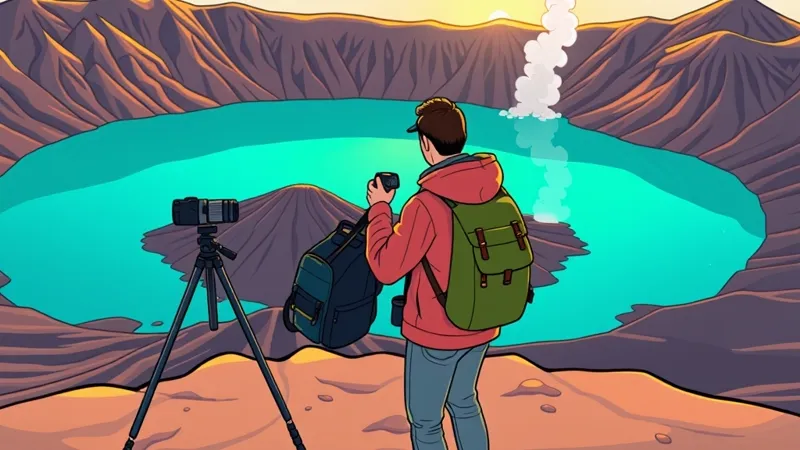
Kawah Ijen Sunrise Photography: Lake, Tripods and Camera Care
Photograph Kawah Ijen’s turquoise lake from permitted rim viewpoints, with a flexible sunrise plan and a light camera kit. Learn how to protect highlights, decide whether to use a tripod and reduce exposure to sulfurous gas.
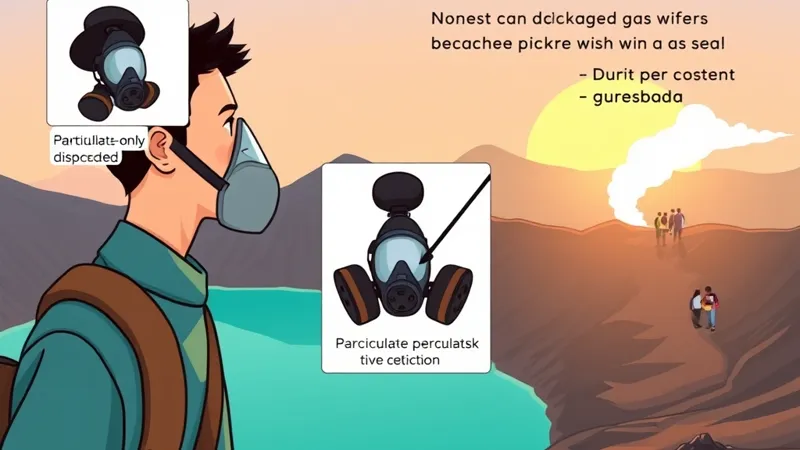
Gas Masks at Kawah Ijen: Filters, Tour Gear and Fit
Sulfur dioxide can affect Kawah Ijen’s trail and crater rim, and ordinary masks do not protect against it. Learn what to ask tour providers, how to check rental equipment and when to turn back.
Banyuwangi vs Ijen Slopes: Where to Sleep Before Your Hike
Choose Banyuwangi for connections and accommodation choice, or a genuinely closer slopes property for a shorter transfer. More sleep depends on your room and confirmed pickup arrangement—not a mountain address.
Ijen sunrise tour with pickup and guide — GetYourGuide photo of this linked activity only; it does not depict all alternatives or accommodation discussed.
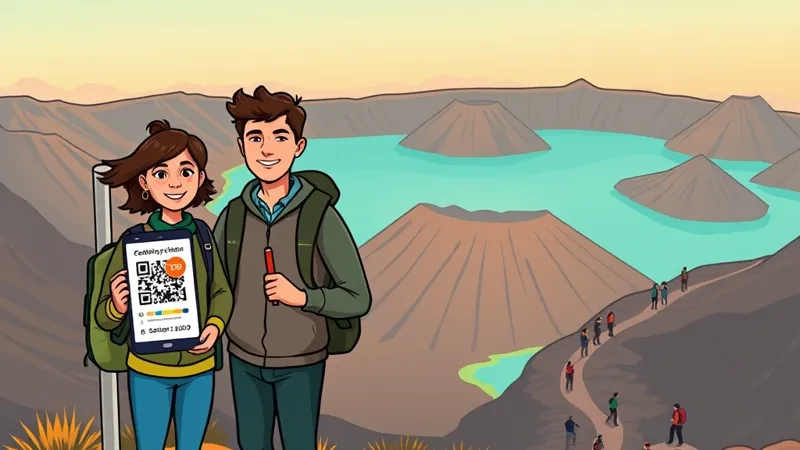
Kawah Ijen Park Tickets: Booking, Health Checks and Closures
Kawah Ijen entry requires an e-ticket and a health certificate, with identity details matching your reservation. Check the monthly closure and current admission instructions before committing to overnight transport.
Kawah Ijen With a Guide vs On Your Own: Entry Rules
Arranging your own Kawah Ijen trip does not automatically mean you can hike unguided. Learn which official instructions to check, how guide-only arrangements differ from tours, and why crater descent needs separate permission.
Ijen sunrise tour with pickup and guide — GetYourGuide photo of this linked activity only; it does not depict all alternatives or accommodation discussed.
How Hard Is the Kawah Ijen Hike? Difficulty, Fitness, Limits
A practical guide to the Kawah Ijen night hike: the uphill route from Paltuding, weather, equipment and current access conditions.
Ijen sunrise tour with pickup and guide — GetYourGuide photo of this linked activity only; it does not depict all alternatives or accommodation discussed.
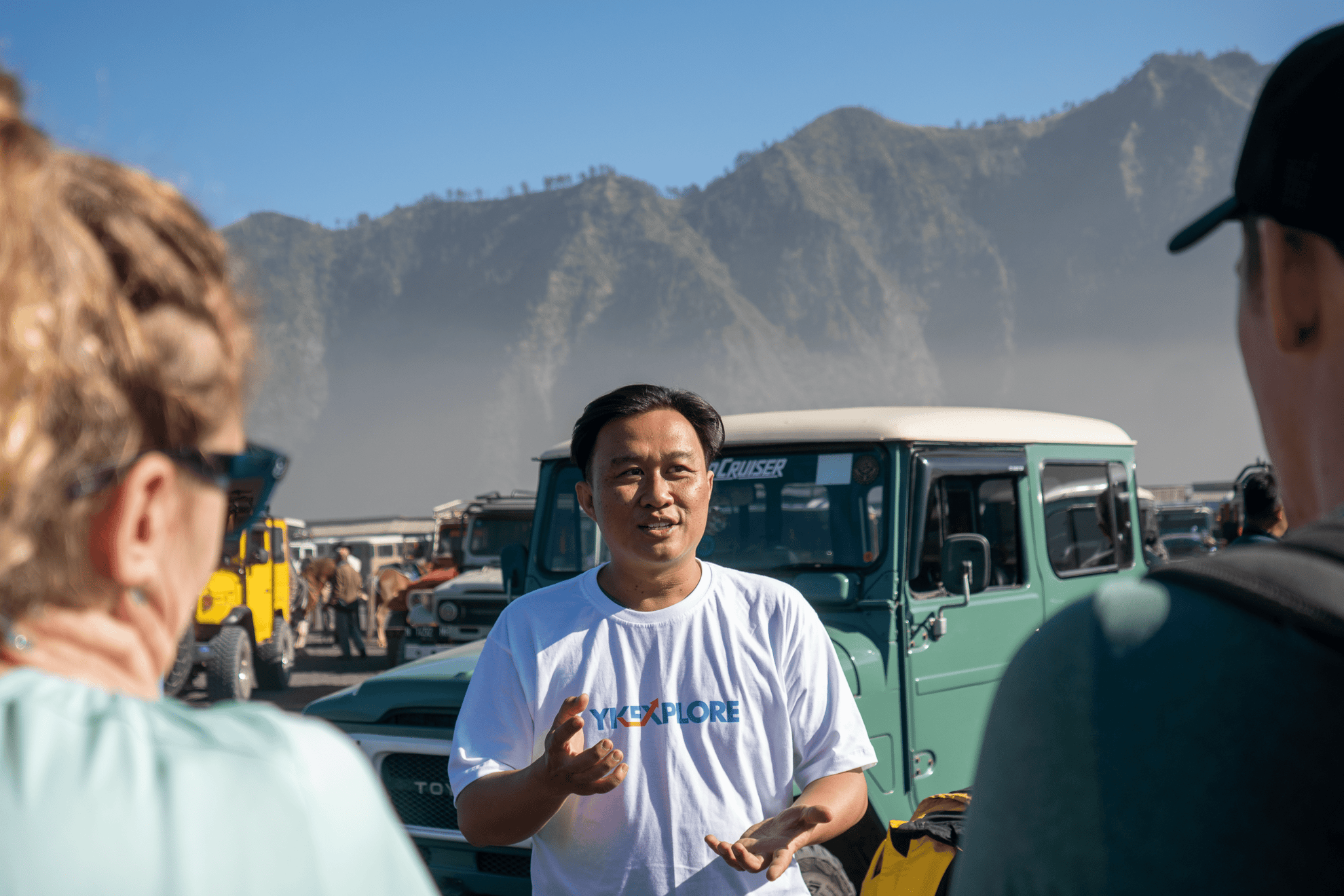
Bromo & Ijen 3-Day Combo: Itinerary, Cost & Who It Suits
The 3-day Bromo and Ijen combo pairs a Mount Bromo sunrise with a pre-dawn Kawah Ijen hike, linked by one long drive across East Java. Here is how the itinerary flows, what you actually see, and who should book it — or skip it.
Bromo and Ijen: 3 days from Bali or Yogyakarta — GetYourGuide photo of this linked activity only; it does not depict all alternatives or accommodation discussed.
Ijen Tour From Bali or Banyuwangi: Which Start?
Banyuwangi is the practical base for Kawah Ijen; Bali is possible but means a long overnight run and a ferry crossing. Here is how to choose by where your wider trip already puts you, not by which city sounds better.
Ijen sunrise tour with pickup and guide — GetYourGuide photo of this linked activity only; it does not depict all alternatives or accommodation discussed.
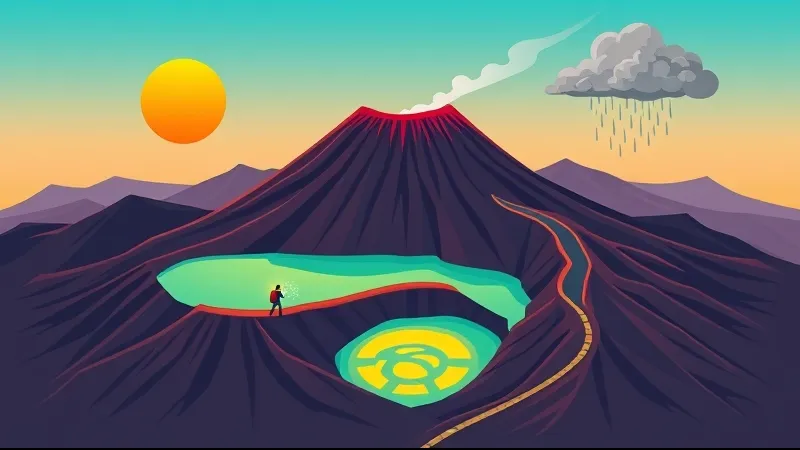
Best Time to Visit Kawah Ijen: Month-by-Month Guide
Month-by-month planning for the Kawah Ijen night hike: seasonal weather, warm clothing and official access checks. Sunrise, lake views and blue fire are subject to conditions.
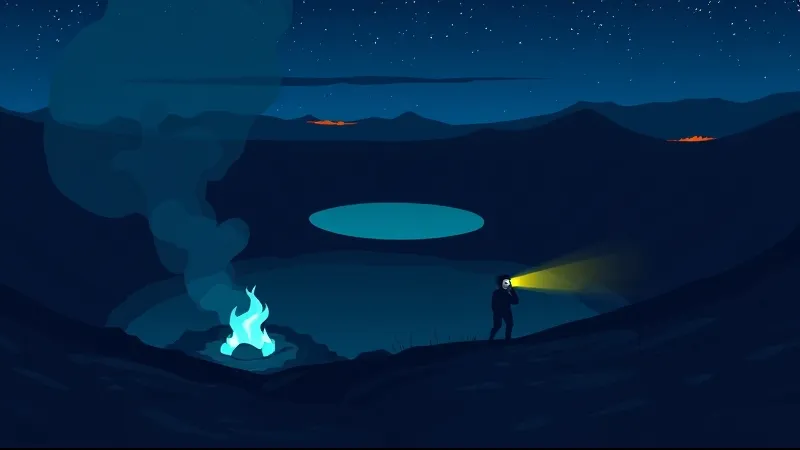
Ijen Blue Fire: What It Is & When It's Actually Visible
The Ijen blue fire is burning volcanic gas, not lava, and it is only visible in full darkness for a couple of hours before dawn. It is a bonus phenomenon that depends on gas flow, weather and mining activity — never a certainty. Here is what it actually is, when it shows, and why the crater rim, sunrise and acid lake are the part you can rely on.
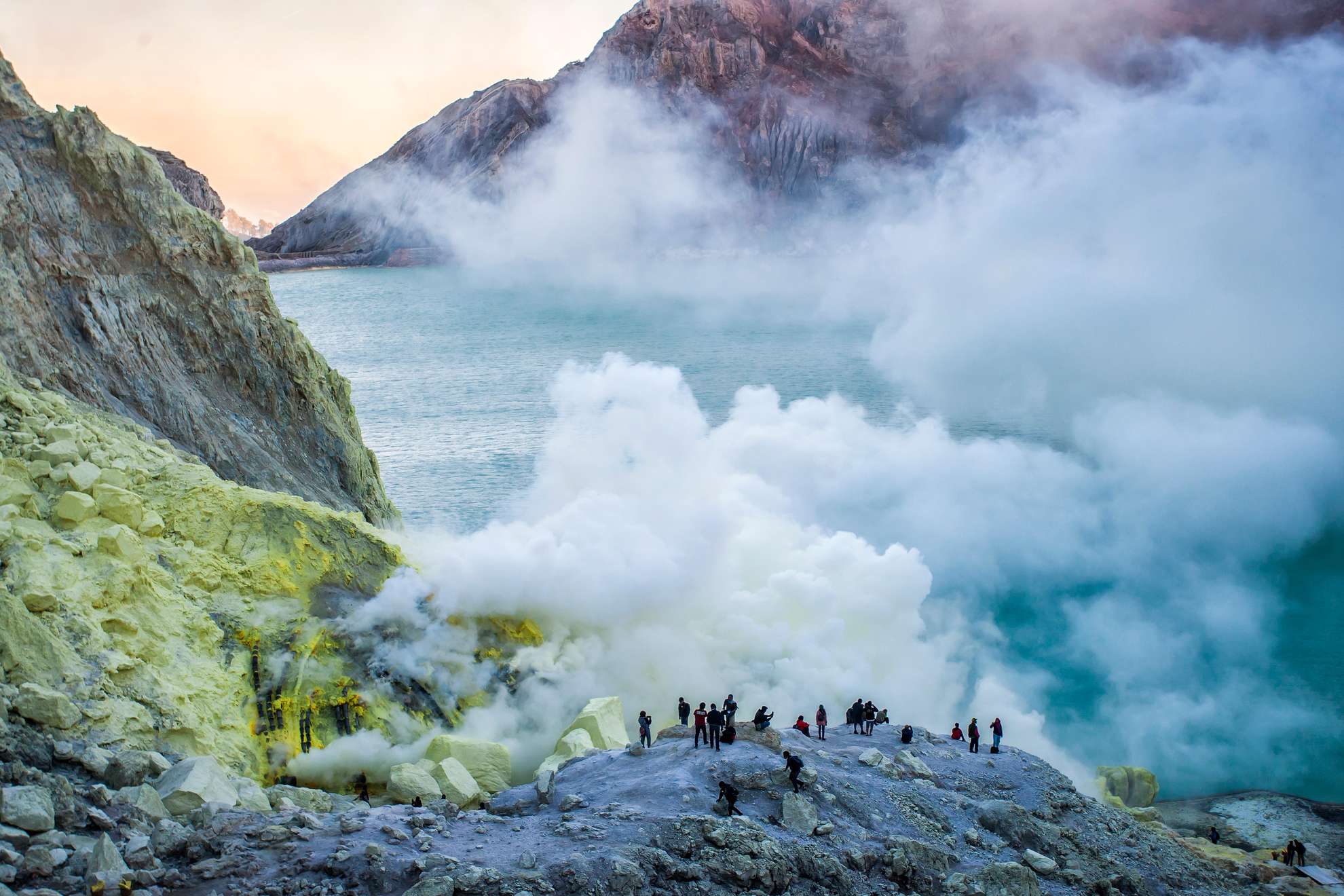
How to Get to Kawah Ijen From Bali: Full Guide
Kawah Ijen is in East Java, not Bali, so reaching it means crossing the Bali Strait by ferry and driving to the Paltuding base camp. This guide covers the overnight tour timeline, the ferry crossing, the crater hike, and honest expectations about the blue fire.
From Bali: Ijen tour with dinner and accommodation — GetYourGuide photo of this linked activity only; it does not depict all alternatives or accommodation discussed.
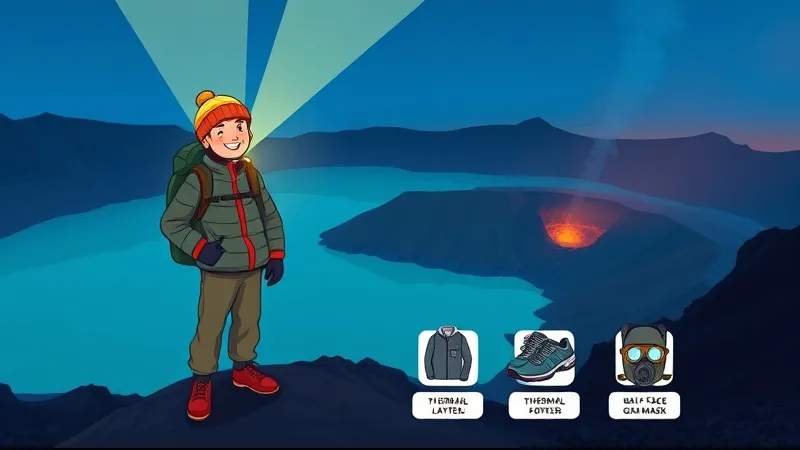
What to Pack for the Kawah Ijen Night Hike: A Full List
Packing for the Kawah Ijen night hike: warm layers, headlamp, grippy footwear, equipment checks and a light daypack.
Is Kawah Ijen Worth It? An Honest Verdict
A straight answer for travellers weighing the sleepless midnight climb to Kawah Ijen. Yes for fit visitors who come for the turquoise acid lake and sunrise; think twice if you have breathing issues or expect a guaranteed blue-fire show.
Ijen sunrise tour with pickup and guide — GetYourGuide photo of this linked activity only; it does not depict all alternatives or accommodation discussed.